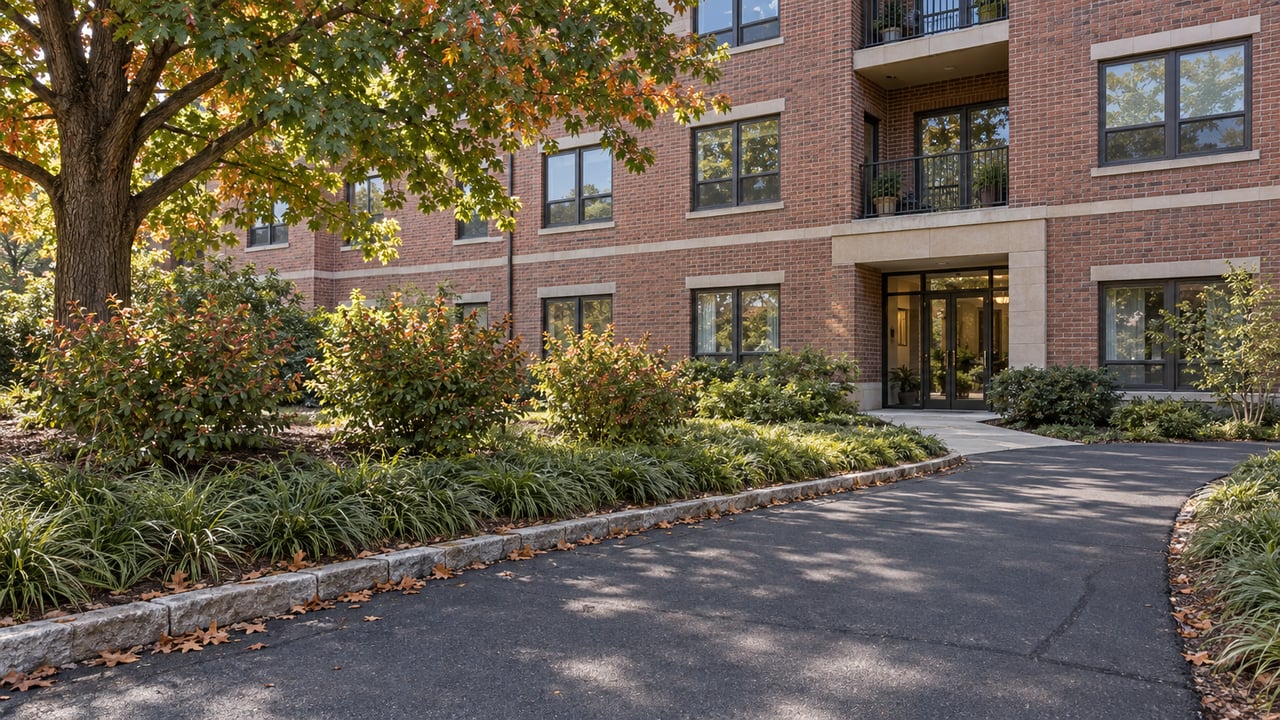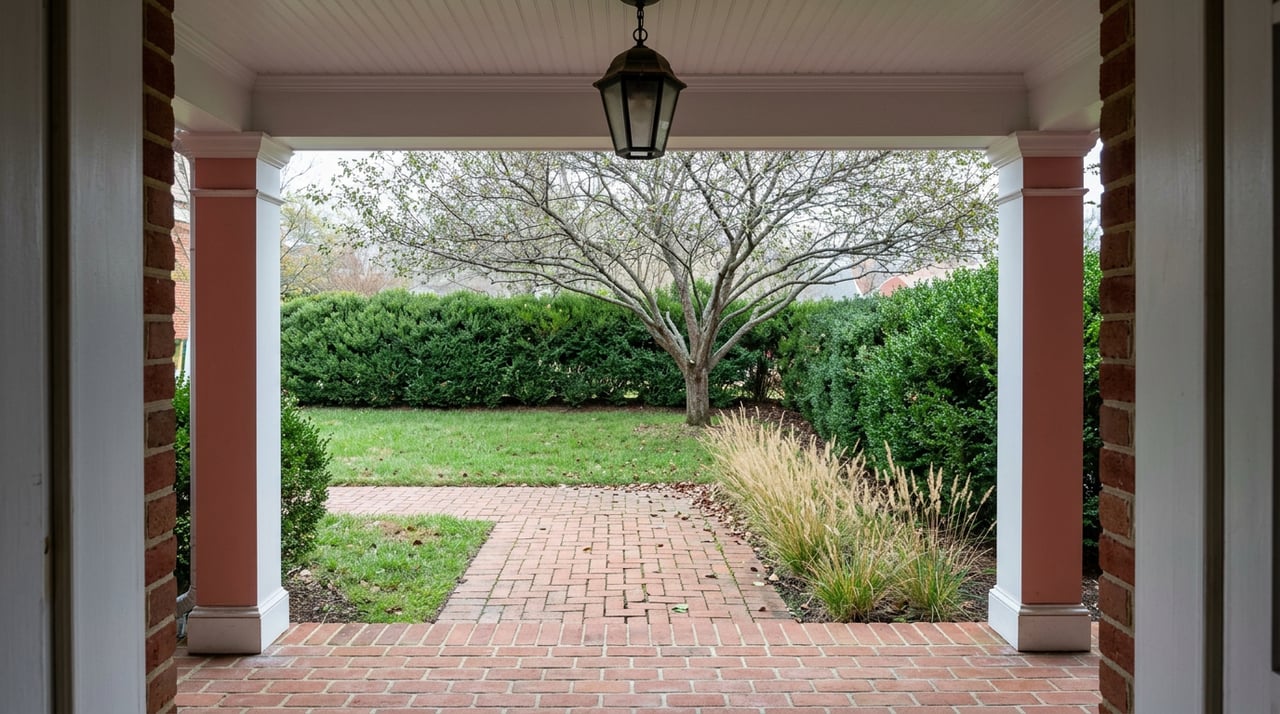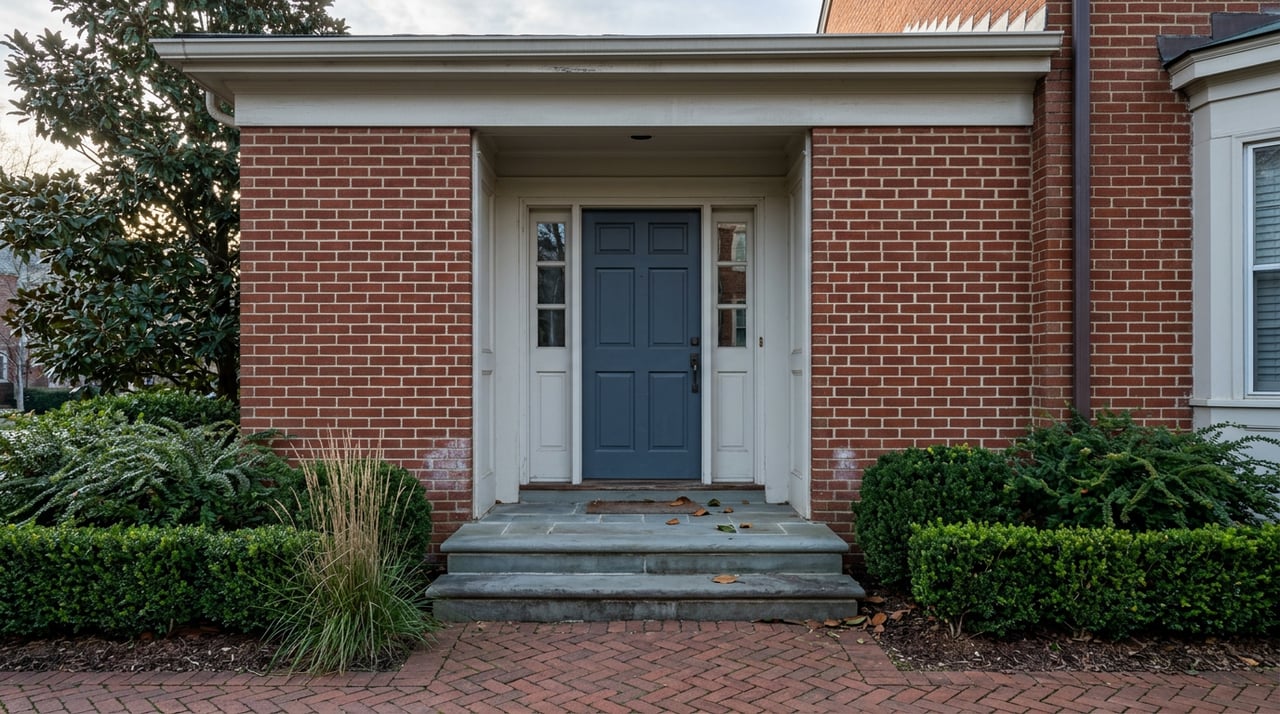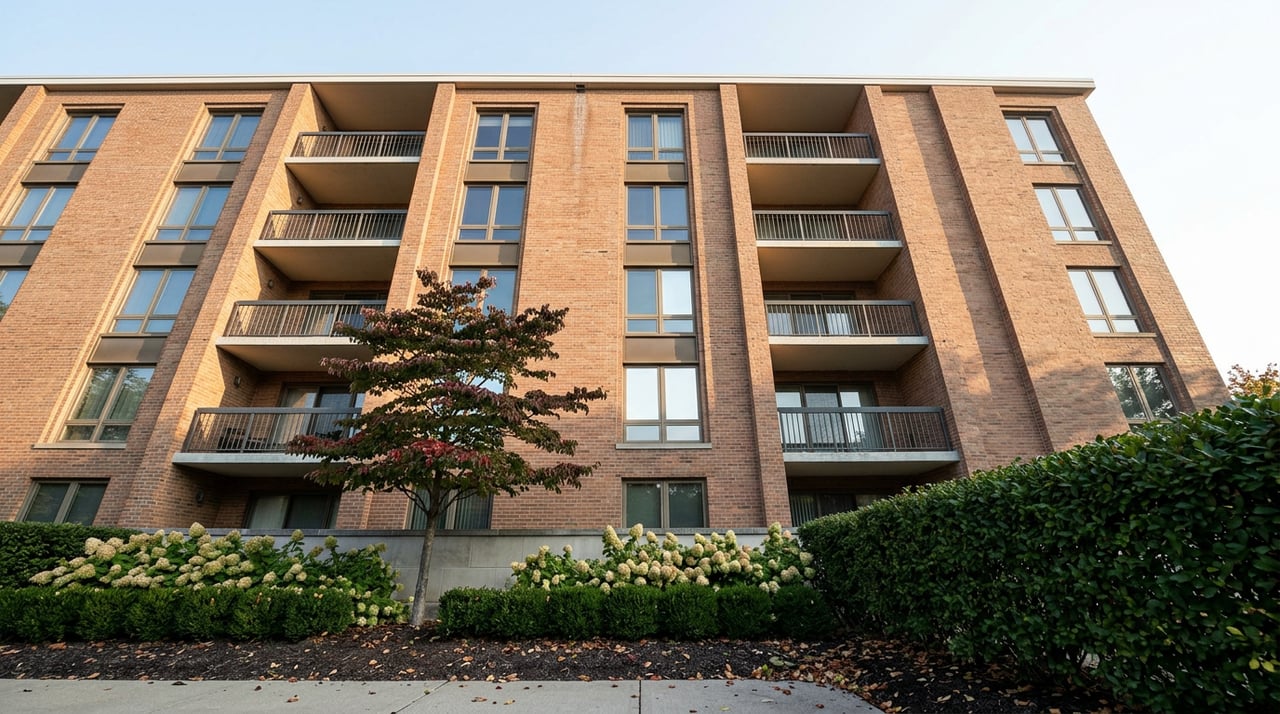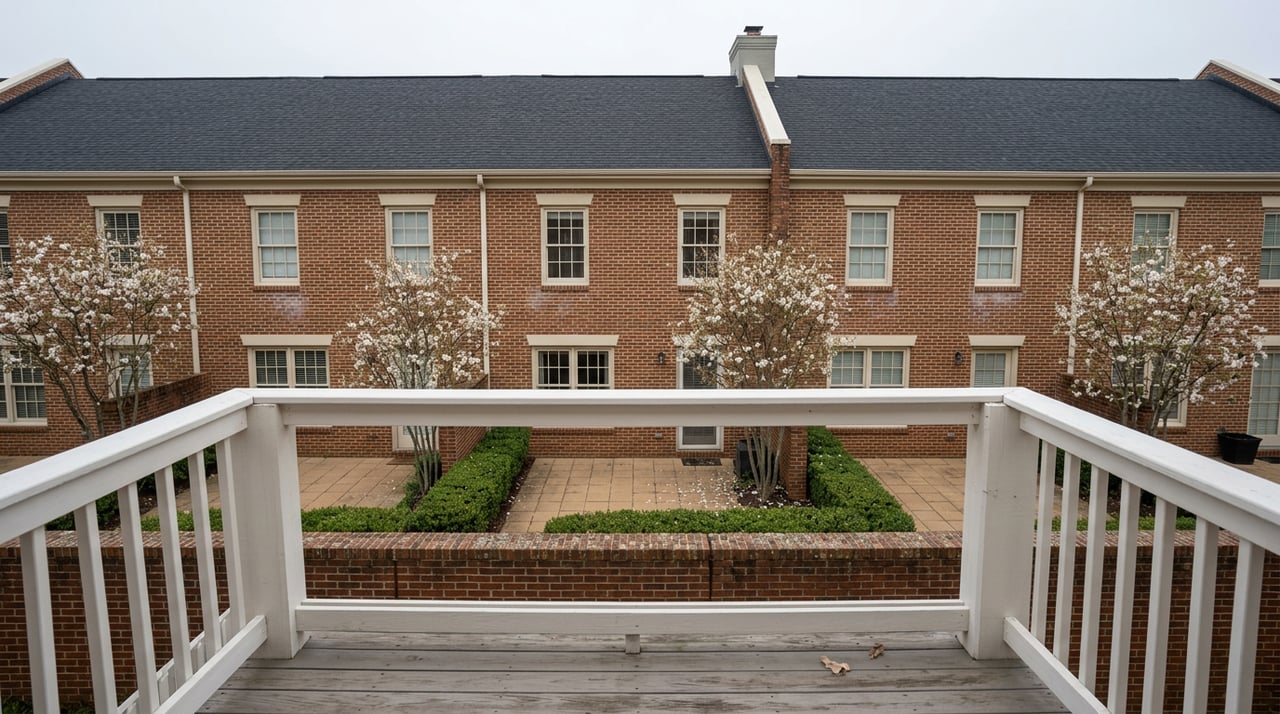
Ask someone who has lived at Watergate at Landmark for a decade or more what makes the pool feel different from every other condo pool in the Beltway, and most will shrug and say something about the waterfall. Ask why a waterfall ended up there in the first place, on 37 acres of grounds in what was then a fairly new corner of Alexandria's West End, and almost nobody has an answer. The real one involves a Disney engineer, a Virginia law that had barely taken effect, and a lawyer who was still on the job when the community marked its 50th anniversary last year.
Last August, Watergate at Landmark marked its 50th anniversary with a gathering that pulled in eighteen of the community's original owners, most of whom bought in during the mid-1970s. They came back to swap stories about raising children along the same paths their grandchildren now use, about organizing the community's early social calendar, about what it felt like to move into a building that did not yet have a track record. One longtime resident summed it up simply: "We came for the convenience and stayed because it feels like a little oasis in the city. It still feels that way."
That word, oasis, is doing more work than it sounds like. It is not a marketing line. It is a description of a design decision that predates almost everything else built around it.
A Condo Law So New the Ink Was Still Wet
Watergate at Landmark was Alexandria's first condominium. That is a specific, verifiable claim, not a boast, and it matters because of the timing. Virginia's condominium law had only just been enacted when the first units at Watergate went to contract in 1975. David S. Mercer, the attorney who handled those first closings, was fresh out of law school at the time. As of the community's 50th anniversary celebration last year, he was still serving as Watergate's attorney.
Fifty years of continuous legal representation for one condominium association is not normal. Boards turn over, management companies get swapped, and the professionals who set up a community's governing documents are usually long gone before the building hits its thirtieth anniversary, let alone its fiftieth. At Watergate, the person who wrote the rules is still the person residents call when a question about those rules comes up. That kind of institutional memory is rare enough in Northern Virginia condo life that it is worth naming outright: most of the buildings in what locals call the "Condo Canyon," the run of monolithic 1960s and 1970s complexes along this stretch of Alexandria, cannot say the same.
The Grounds Nobody Expected From a 1970s Condo
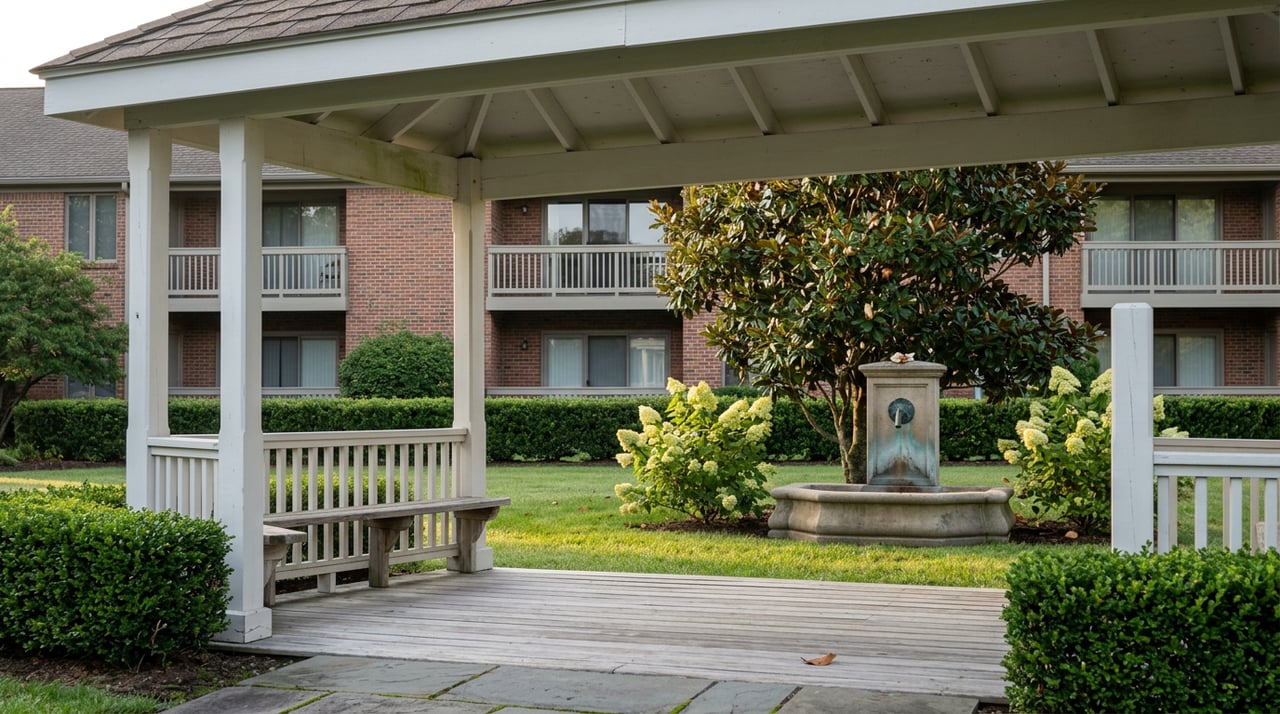
The second piece of the story explains why the community still reads as a resort rather than a housing development with a pool bolted on. According to Mercer, who shared the detail publicly for the first time at last year's anniversary event, a Disney engineer helped design Watergate's grounds, including the gazebos, the fountains, and the waterfall pool that residents still treat as the property's signature feature.
Watergate was conceived from the start as a self-contained residential resort, a genuinely unusual ambition for a condominium built in the mid-1970s, when most multifamily housing in the region was going up fast and cheap to meet federal-employment-driven demand. The choice to bring in someone with theme-park design sensibility, rather than a standard site engineer, is the kind of decision that only makes sense if the developers were building for decades, not for a quick sellout.
They got both. The Zebra's coverage of the anniversary notes that Watergate sold out its first buildings and became one of the most desirable condominium addresses in the region despite a difficult economic stretch for real estate in the late 1970s. Fifty years on, the pool that Disney-trained hands helped draw is still the one residents swim in.
What Held, What Got Added
Not everything at Watergate is original, and the honest version of this story separates the two. The waterfall pool, the gazebos, and the fountain work trace back to the 1975 design. Tennis courts existed early on as part of the Racquet Club; pickleball courts came later, added to meet a sport that barely existed when the community opened. The fitness center, the café, and the walking paths that residents use today sit on the same 37 acres the original plan called for, even where the equipment inside them has been replaced many times over.
What has not changed is the resident-led structure of the association itself. Watergate has maintained continuous, active civic involvement from its own owners since the first units closed, which is part of why a single attorney was able to stay attached to the community for half a century. Boards need continuity to function, and continuity is easier to sustain when the people running the association actually live in the building.
Why This Is the Detail Worth Knowing
Most condo communities built in the 1970s in this part of Alexandria have had at least one identity change: a rebrand, a management overhaul, a period of deferred maintenance that residents had to fight to reverse. Watergate's anniversary event, with its historical displays, its photographs from the early days, and a proclamation from the City of Alexandria, was not manufactured nostalgia. It reflected a community that has been unusually consistent about who runs it and what it was designed to be.
That consistency is the actual answer to the question everyone eventually asks about the pool. It was never an afterthought. It was drawn by someone who designed places meant to be visited generation after generation, and the legal groundwork under it was laid by someone who was still answering questions about it fifty years in. Half a century is a long time for either fact to hold. At Watergate, both did.
If you are curious what any of this history means for your own unit, whether you are thinking about updates, valuation, or just want to talk through how the building's age and original design affect resale, Paul Gonzalez knows this community from the inside out. Let's Connect.