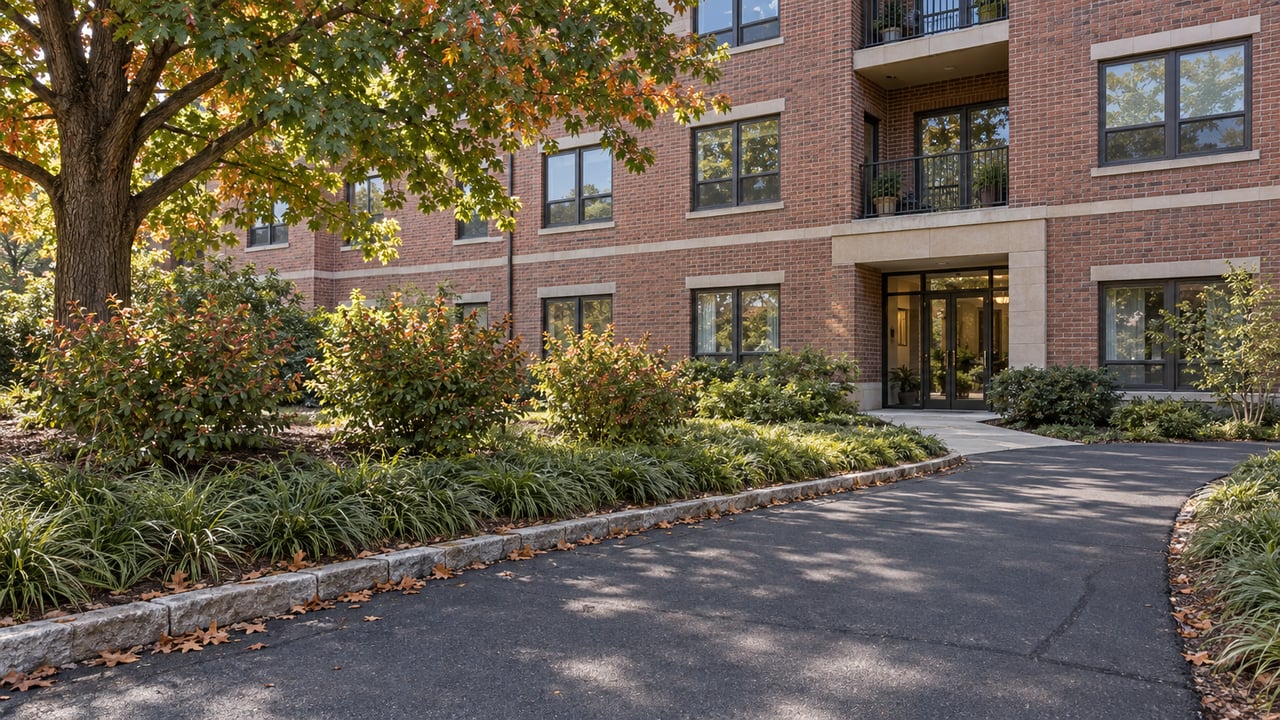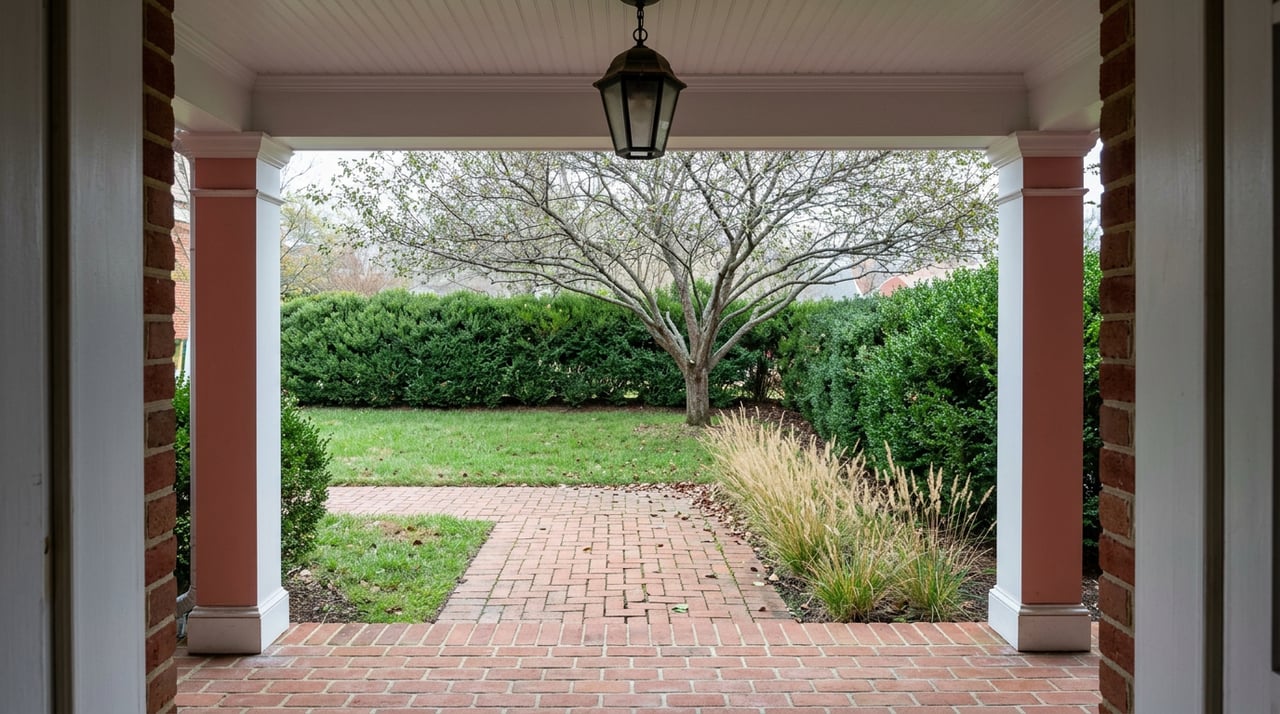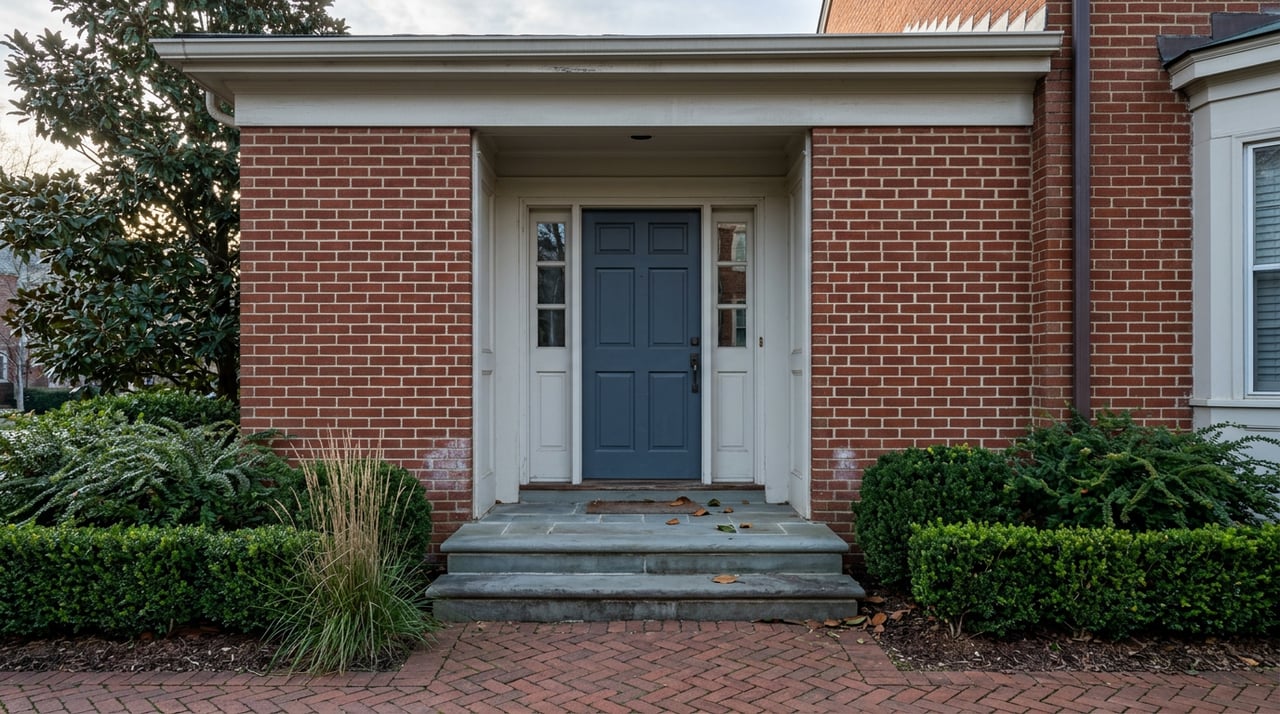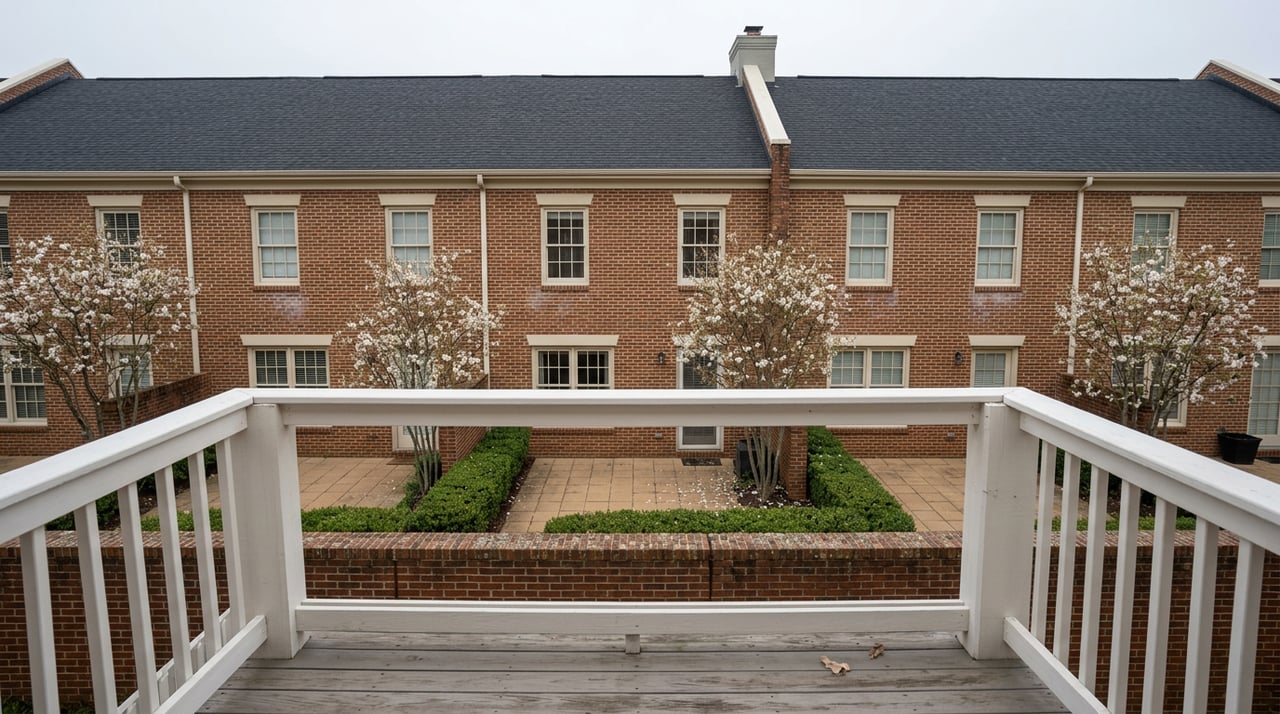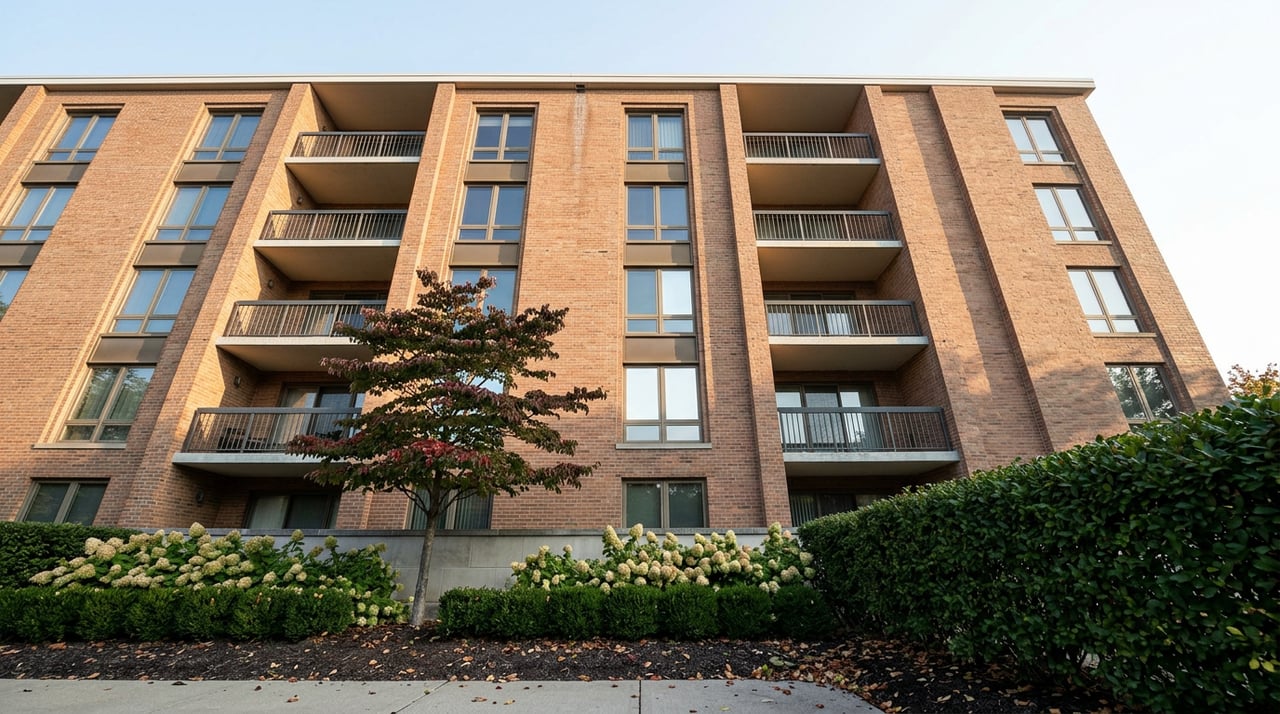
For most of the past decade, financing a condo at Watergate at Landmark worked the way financing any condo worked: a buyer qualified, an appraiser confirmed value, and a lender ran a quick check on the association before closing. That quick check had a name. It was called a Limited Review, and it covered maybe 40 percent of condo purchase mortgages nationally as recently as this summer, according to CNBC's reporting in early August.
As of August 3, 2026, that shortcut is gone for established projects over ten units. Every mortgage application on a unit at a community this size now triggers a Full Review, meaning the lender isn't just underwriting the buyer anymore. It's underwriting the building.
What Changed, and When
On March 18, 2026, Fannie Mae and Freddie Mac issued matching updates, Fannie's Lender Letter LL-2026-03 and a corresponding Freddie Mac bulletin, tightening the rules that decide whether a condo project qualifies for a conventional mortgage at all. The Limited Review pathway retired for loan applications dated on or after August 3. A Full Review now looks at the association's budget, its reserve funding, its insurance coverage, delinquency rates, pending litigation, and any special assessments already on the books.
Fannie Mae carved out a waiver for small projects of ten units or fewer. Watergate at Landmark, spread across roughly 37 acres with multiple buildings, an indoor and outdoor pool, and a Racquet Club, is nowhere near that threshold. Full Review applies here.
The Number That Moves Twice
The floor for reserve funding is also changing, and it's changing on a different clock than the review process. Right now, lenders generally want to see an association budgeting at least 10 percent of its annual assessment income toward replacement reserves. For loan applications dated January 4, 2027 or later, that floor rises to 15 percent.
Industry analysts frame the scale this way: a community collecting $500,000 a year in assessments would need to redirect an additional $25,000 annually into reserves rather than operating costs. An association that isn't already there has two options. Raise assessments, or lean on its own reserve study instead of the flat number.
That second option comes with a catch that matters more than it looks.
Two Clocks on the Same Building
Virginia law requires a condominium association to conduct a reserve study at least once every five years, under Virginia Code 55.1-1965. The 2024 General Assembly session, through House Bill 1209, sharpened that requirement further. It formally defined what a reserve study has to determine (the physical status and replacement cost of capital components, not just a financial estimate), and it removed owners' old 60-day right to rescind or reduce an additional assessment levied to fund capital repairs. Boards now have more authority to act on reserve shortfalls without a resident veto standing in the way.
None of that changes the fact that Virginia gives an association up to five years between studies.
Fannie Mae and Freddie Mac give it three. To use a reserve study as an alternative to the flat 15 percent threshold, the study has to be less than 36 months old and the association has to be funding at the highest level that study recommends. Once a study passes the three-year mark, the alternative disappears. The building defaults to the flat percentage rule regardless of what its actual finances look like.
An association can be fully compliant with Virginia law and still trip the newer, stricter lending standard, simply because the state's clock and the lenders' clock don't run at the same speed. That gap is the detail worth knowing before you write an offer or sign a listing agreement here, because it's invisible on a listing sheet and it doesn't show up until a lender's underwriter starts asking questions.
What This Looks Like at Watergate at Landmark
Watergate's own budget documents show how the mechanics work in practice, even though the specific figures below are from a past budget cycle and not a claim about where the association stands today. The reserve fund at Watergate is split into two buckets: Replacement Reserves, which cover items funded outside of borrowed money, and Restricted Reserves, which track the association's bank loans used to finance major repairs over the years. There's also a Stabilization Fund, a separate line item built to smooth out swings in assessment increases from one year to the next.
The capital projects that reserve funding has covered give a sense of scale: a new emergency generator for Building One, an HVAC replacement in the Racquet Club, roof and patio renovations at the community's gazebos, coating repairs at the pools, a retaining wall replacement, and outdoor tennis court renovations. This is exactly the kind of shared infrastructure a Full Review is built to evaluate, because a lender isn't just asking whether the roof over your specific unit is sound. It's asking whether the association has a documented plan and adequate funding for every shared system across the property, and whether any of that funding relies on debt the association is still paying down.
New insurance rules add another layer. Master policies now have to cover at least 100 percent of estimated replacement cost for common elements and residential structures, with roofs the one exception, though roofs still need coverage. Per-unit deductibles are capped at $50,000 starting July 1, 2026, and where a master policy carries a per-unit deductible, individual owners now need their own HO-6 policy. A buyer at Watergate at Landmark should expect that requirement to be part of closing, not an optional add-on.
What This Means If You're Buying or Selling
| Before August 3, 2026 | Now | |
|---|---|---|
| Review type for most loans | Limited Review available | Full Review required (projects over 10 units) |
| Minimum reserve funding expected | 10% of assessment income | 15% starting for applications dated Jan. 4, 2027 |
| Reserve study freshness for the funding alternative | Less strictly enforced | Must be under 36 months old |
| Unit owner insurance | Recommended in many cases | Required when master policy has a per-unit deductible |
If you're buying here, ask two questions before you're deep into a contract: how old is the current reserve study, and what percentage of assessment income is the board actually putting into reserves. Both answers are typically available through the resale certificate a seller is required to obtain and deliver within 14 days under Virginia's Resale Disclosure Act, the same document that already discloses fees, pending litigation, and the association's financial standing. That document just became more consequential than it used to be, because it's now effectively a preview of what your lender's underwriter is about to ask for anyway.
If you're selling, the same advice runs the other direction. A buyer whose lender flags an outdated reserve study or a funding shortfall doesn't necessarily walk away, but the closing timeline stretches, and in a market where buyers have options, a stalled financing process can cost you the deal. Knowing where the association stands on both numbers before you list gives you time to address it, or at least explain it, instead of finding out from a nervous buyer six weeks into escrow.
A Few Questions Worth Answering Directly
Does this apply if I'm paying cash? No. Full Review and the reserve funding thresholds are tied to loans that Fannie Mae or Freddie Mac will purchase on the secondary market. A cash purchase skips that underwriting entirely, though a smart cash buyer still benefits from knowing the association's financial health before buying in.
What if my loan application is dated before August 3? According to Fannie Mae's guidance, the trigger is the application date, not the closing date. An application dated before August 3, 2026 can still use Limited Review even if the closing happens later, though individual lenders may apply their own additional requirements.
Does a denial from one lender mean the unit can't be financed at all? Not necessarily. Once a project completes a Full Review and passes, it's generally recorded as approved in Fannie Mae's system for future loans, meaning it doesn't need to repeat the process for every subsequent buyer. A denial tied to a specific underwriting nuance doesn't automatically mean the building is unsafe or financially unstable, according to mortgage industry sources cited by CNBC.
Financing a condo at Watergate at Landmark now depends as much on the board's paperwork as it does on your own. Knowing which questions to ask, and when to ask them, is the difference between a closing that moves on schedule and one that stalls in underwriting.
If you're weighing a purchase or a sale here and want a clear read on where things stand before you write an offer or sign a listing agreement, Paul Gonzalez can help you get the right documents in front of the right people early. Let's Connect.