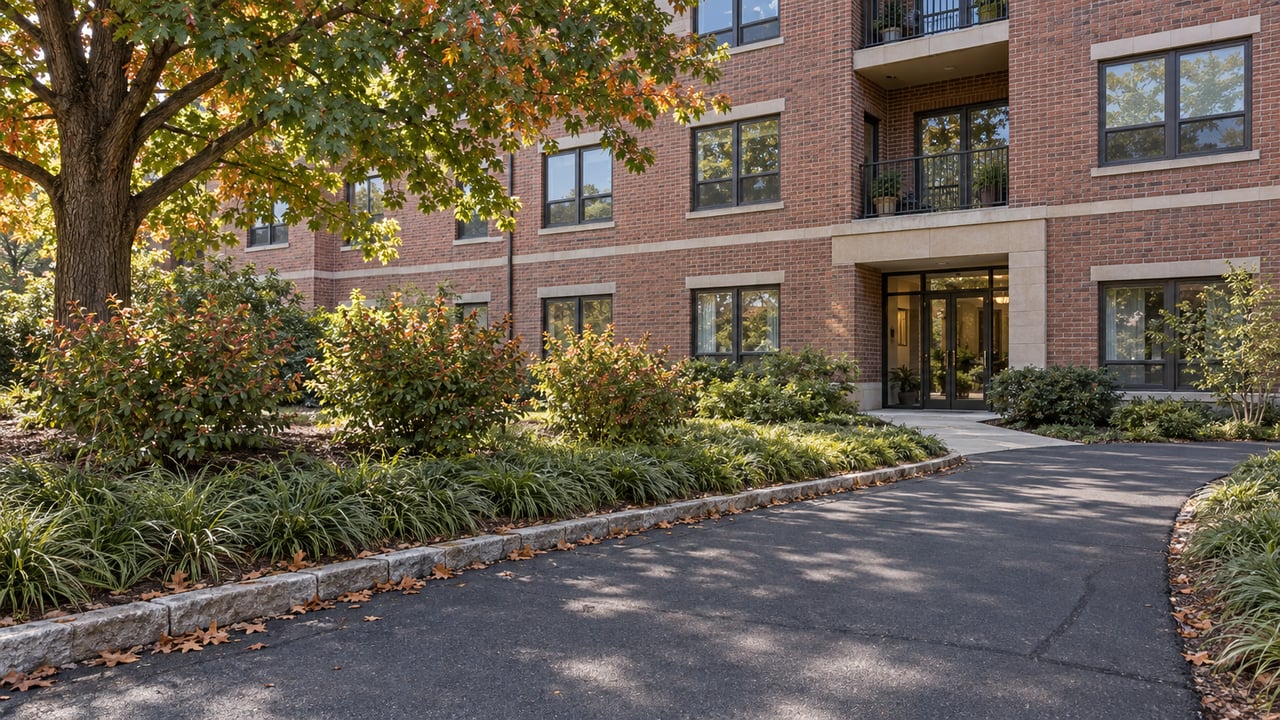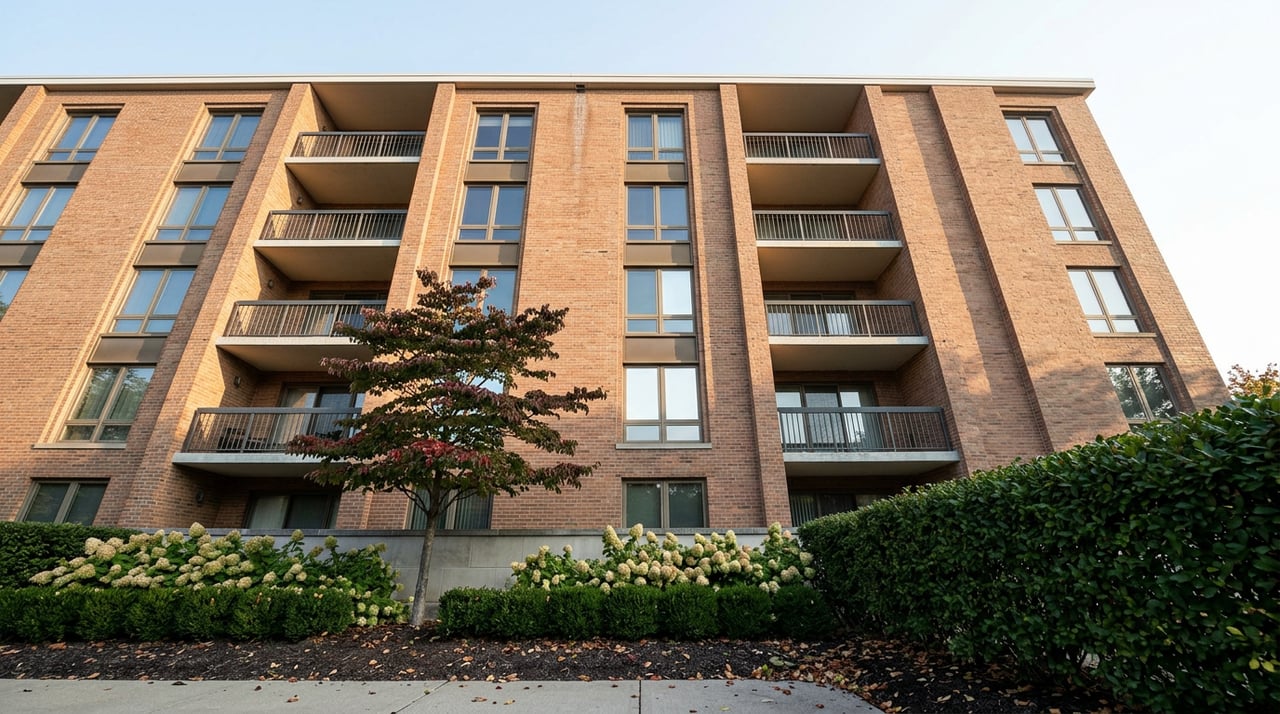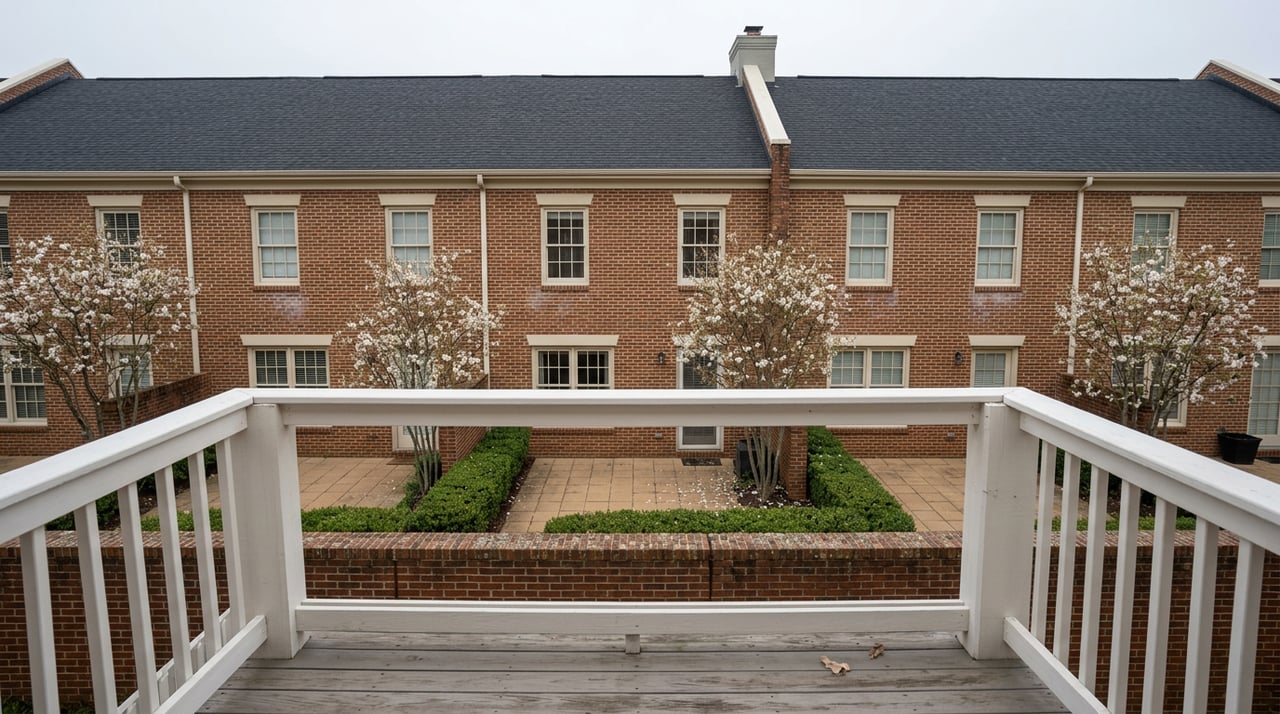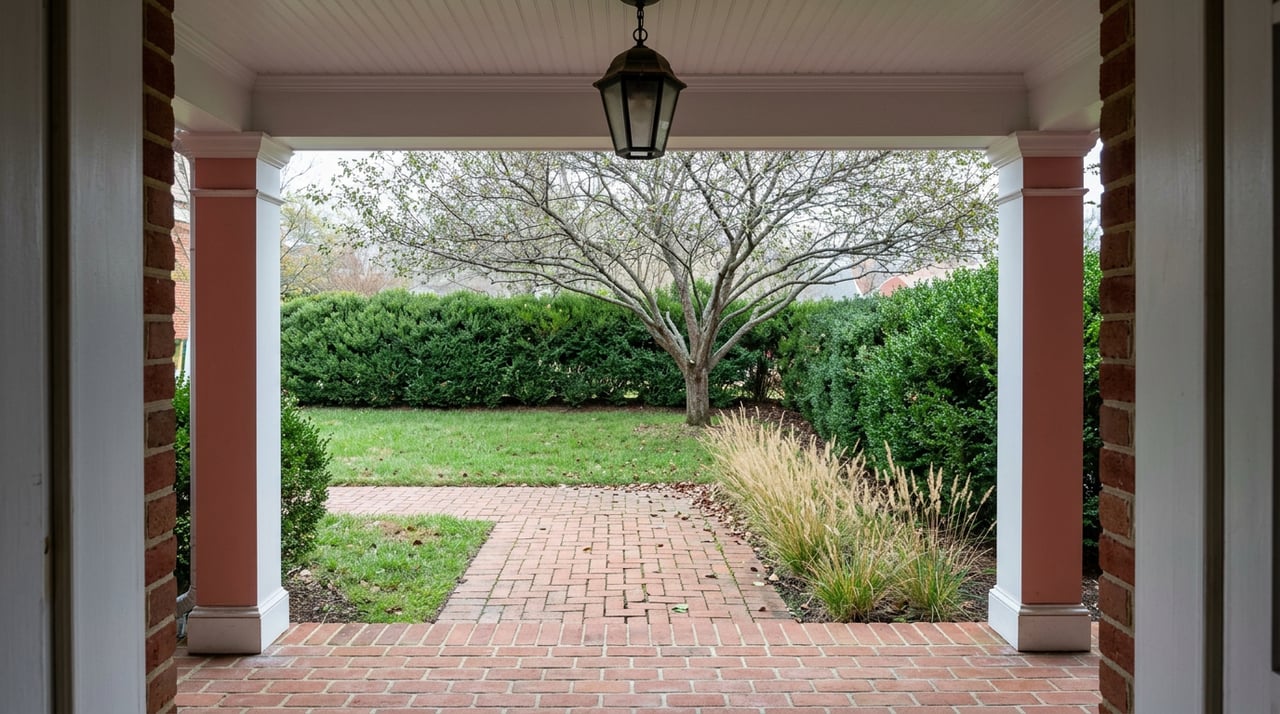
For eight years, the closure signs at North Beauregard Street have done their job so well that people stopped reading them. Walkers, joggers, and dog owners who use the Holmes Run Trail along Cameron Station's eastern edge learned to turn back at the barrier and take the sidewalk instead. That habit made sense in 2019. It no longer matches what's actually on the ground.
As of September 2025, Alexandria reopened two of the four trail sections damaged by flooding, creating a continuous paved path between Beauregard Street and Eisenhower Avenue, according to city officials cited by ALXnow. That's the exact stretch most Cameron Station residents would use for a loop with a stroller or a leash. If you haven't walked past the old detour signs since they went up, there's a real chance you're avoiding a path that's been open for a year.
Why the Trail Broke Into Four Pieces
The damage goes back further than most people remember. In July 2018, flooding closed the section of Holmes Run Trail inside Dora Kelley Nature Park that connects to North Morgan Street. The city's own capital projects page describes it as a spot where the trail base and surrounding erosion looked worse the closer you got. Then, in 2019, the region took a harder hit. Historic flooding damaged three additional sections of the trail and undermined two bridge structures badly enough that the city closed them for public safety.
Alexandria split the repair into four separate sites, each on its own design and construction timeline. Site 4, a bridge at 4600 Duke Street, turned out to be the easiest fix and reopened in August 2023. Site 2, a bridge at the Morgan Street cul-de-sac, and Site 3, a trail segment near North Ripley Street, took until 2024 to reach construction and finished in September 2025. That left Site 1, the crossing inside Dora Kelley Park itself, as the last piece standing.
The One Bridge Everyone Stopped Waiting For
Site 1 was always going to be the hard one. In January 2024, Alexandria City Council member Kirk McPike gave residents an honest read on why it kept slipping.
"Due to a lot of design and procurement issues, it is not slated to be complete until early 2026."
That estimate has already moved once. The city's current capital projects page now lists fall 2026 as the target, with a note that the schedule remains subject to change. Given that this project has been delayed from a 2024 completion, to early 2026, to now fall 2026, in the span of about two years, "fall" is worth treating as a season rather than a date on your calendar.
What's actually going in at Site 1 is more substantial than a simple repaving job. The city secured a five million dollar grant to install a raised box-culvert pedestrian bridge over Holmes Run, similar in design to the existing footbridge at North Chambliss Street. Crews are removing the old concrete slab crossing that used to flood every time the stream rose, along with the collapsing asphalt trail on the west bank. A twelve-foot access drive is being added from the Beauregard Street overpass down to the stream, built specifically so the city can reach the area faster the next time Holmes Run floods. This isn't a patch. It's an attempt to stop rebuilding the same bridge every decade.
What Changes Once the Last Piece Closes
Once Site 1 finishes, the practical difference for Cameron Station is a genuinely unbroken route. The full Holmes Run Trail runs from Cameron Run Regional Park at Eisenhower Avenue northwest through Ben Brenman Park, under Duke Street, past the reopened Beauregard-to-Eisenhower stretch, and into Dora Kelley Nature Park before crossing into Fairfax County. Right now, the only real gap left in that chain sits at the Dora Kelley end, exactly where the new bridge is going in.
Dora Kelley Nature Park itself is worth the walk even before the trail fully connects. It's a 50-acre preserve tucked into the Holmes Run stream valley, with a one-mile interpretive trail leading into an oak-hickory forest with mountain laurel in the understory. The Virginia Department of Wildlife Resources lists it as a regular spot for tufted titmice, belted kingfishers, and nesting pileated woodpeckers, with occasional bald eagle and Cooper's hawk sightings. In early spring, the marsh near the trail fills with the sound of spring peepers and wood frogs loud enough to hear from a distance. The Jerome "Buddie" Ford Nature Center sits at the Sanger Avenue entrance and hands out a self-guided booklet keyed to numbered posts along the path, if you want more than a walk.
None of this required Site 1 to finish. It's been sitting there the whole time, just harder to reach on foot without a long detour around the closed crossing.
What to Actually Expect This Fall
If you live in Cameron Station and haven't checked the trail since the barriers first went up, the honest update is this: you can already walk or bike the Beauregard-to-Eisenhower stretch without hitting a closure, and have been able to since last September. The remaining piece, the new bridge inside Dora Kelley Park, is a more serious rebuild than a repaving job, funded in part by a five million dollar grant, and the city's own timeline has already slipped once. Fall 2026 is the current target. Whether that holds is worth checking on the city's project page before you plan a longer loop around it.
For everyone in the neighborhood who's been taking the sidewalk out of habit rather than necessity, this is a good fall to go check for yourself.
If you're weighing what this kind of neighborhood detail means for a home search in Cameron Station or nearby, or you just want a local read on what's changing block by block, Paul Gonzalez knows this stretch of Alexandria firsthand. Let's connect.